The Record That Drew Itself
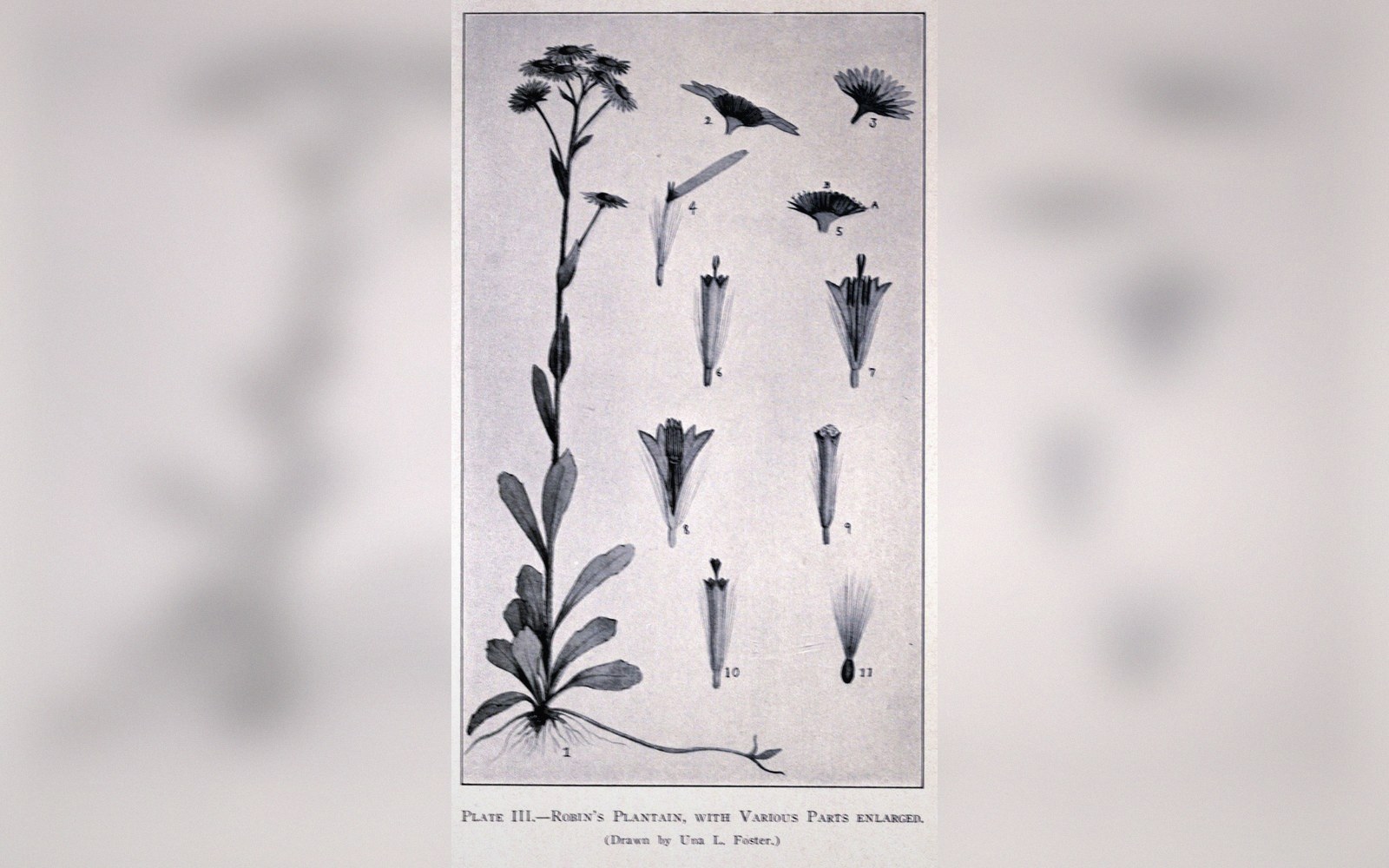
For most of natural history's working life, illustration was identification. A Gould plate, a Lear lithograph, a hand-coloured engraving from the Zoological Illustrations — these existed to answer the question: what does this animal look like? Not aesthetically but diagnostically. The plate was the specimen made portable, the field character fixed on paper, the type made legible to someone who would never reach the museum drawer. Illustration carried the entire identification burden because nothing else could.
Photography ended that monopoly gradually, then decisively. The process was not sudden — early photographs of birds were studio compositions with mounted specimens, barely more useful than taxidermy drawings, and for decades field identification still depended on painted plates. But as lens speed improved, as hide-and-telephoto technique became practical, as film grain tightened and digital sensors arrived, the camera quietly took on the job illustration had always held. By the late twentieth century a good field photograph could confirm a species, document a subspecies boundary, settle a committee debate. The plates in field guides began to coexist with photograph sections. Then, in many guides, photographs replaced them entirely.
For wildlife illustration, this was not a crisis but an exposure. The question it forced was not can we survive? but what were we actually for?
Interpretation as the New Mandate
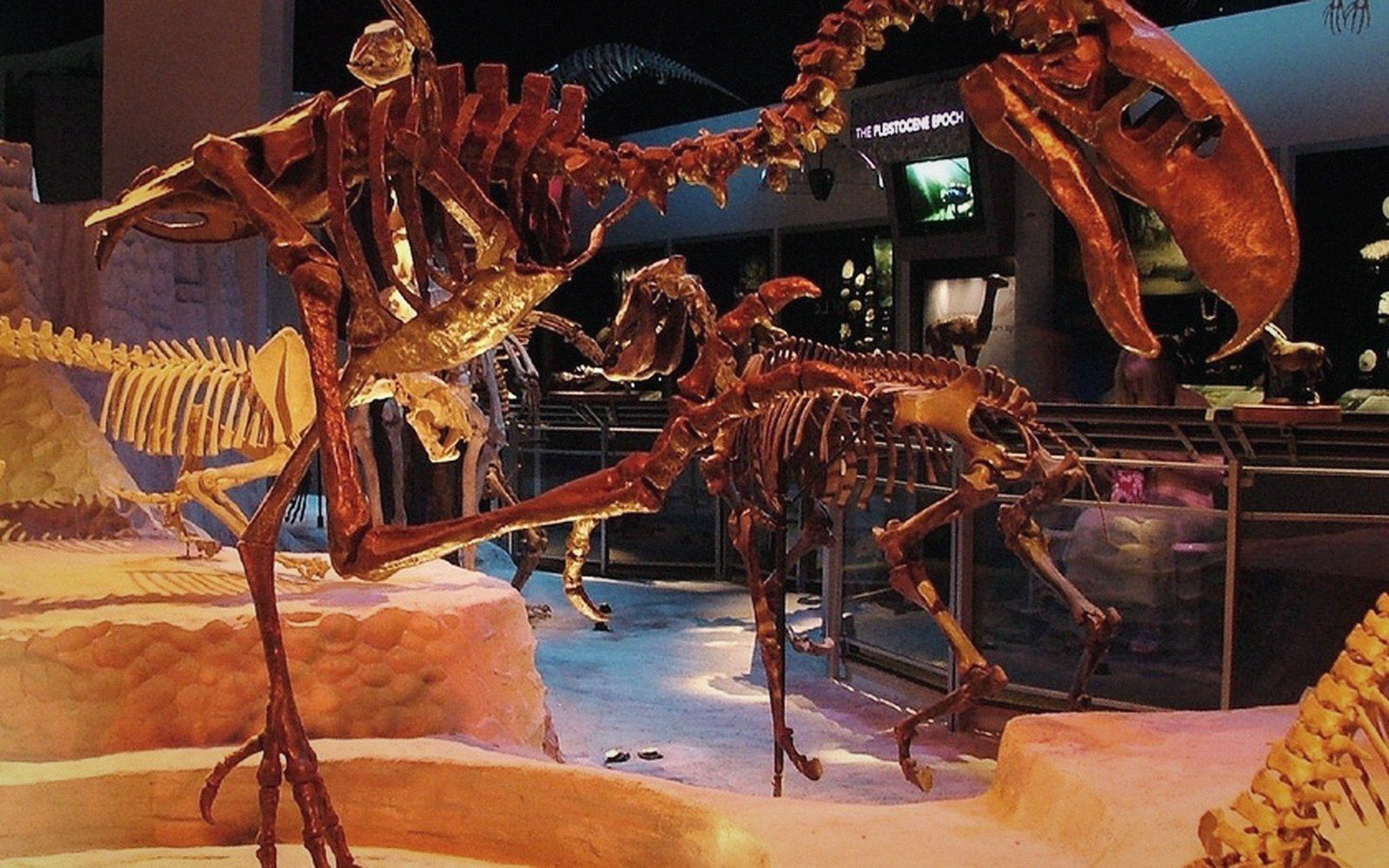
What photography cannot do — or cannot do without considerable effort and luck — is show an animal thinking. It can freeze a wing at a thousandth of a second into a shape no eye has ever seen, which is its own kind of truth, but it cannot easily show the posture of wariness in a heron, the specific weight of a sleeping seal, the way a fox moves through undergrowth as though the undergrowth has agreed to help. These are relational qualities, built from time and observation rather than from a single frame. A hundred hours in the hide produce something a single decisive photograph cannot: familiarity with the range of what an animal does, compressed into choices about what to show.
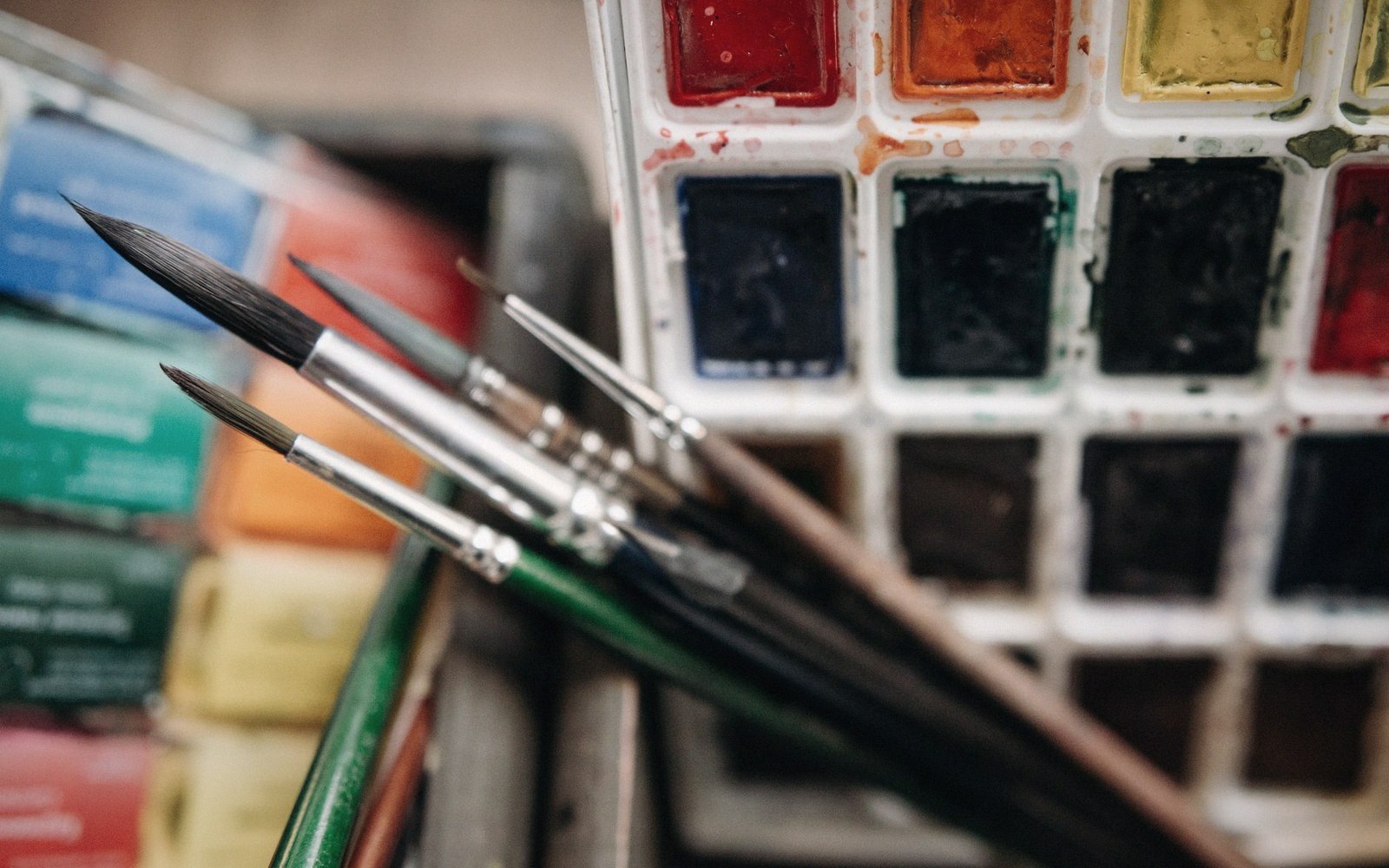
This is where illustration, stripped of its identification duty, found its real argument. The illustrator who had always been making interpretive decisions — which angle, which light, which moment in a behaviour — was now obliged to be honest about those decisions rather than hiding them inside an apparent record. The identification illustration had always quietly claimed objectivity: here is what the animal looks like. The interpretive illustration makes no such claim. It says: here is what I understood about the animal, at this range, in this season, after this long watching it.
What photography cannot do — or cannot do without considerable effort and luck — is show an animal thinking.
The reorientation changed what counted as good preparation. An artist working to confirm field marks needs accurate colour, sharp edge definition, a pose that displays the diagnostic characters cleanly. An artist working to communicate behaviour needs something different: movement, mass, the suggestion of a moment within a sequence rather than a moment arrested. Feather tracts still matter. Anatomy still matters. But the emphasis shifts toward the question of what the animal was doing and whether the image makes you believe it.
What This Demands and What It Reveals
The shift also changed what passed as failure. A record illustration fails when it misidentifies — when the wing formula is wrong, when the bill length is off, when the eye-ring is shown continuous when it is broken. An interpretive illustration fails when it is unconvincing — when the posture is borrowed from a mounted specimen and the neck has that telltale tension, when the eye is flat and glassy because the artist worked from a study skin, when the whole thing reads as a competent rendering of a reference photograph rather than a picture made by someone who knew what the animal was like.
That last failure is now the central critical question for wildlife art. Reference photographs are everywhere, and copying a photograph produces a technically plausible image that is nonetheless hollow — already flat, already chosen by someone else's lens, stripped of the spatial knowledge and the time that produce conviction. The artist who uses photographs well reads them for what they record and supplies from knowledge and observation what the lens could not carry. The one who copies them produces identification without interpretation, which is now the least interesting thing illustration can do.
The camera did not diminish wildlife art by taking the identification job. It clarified what wildlife art had always been capable of when it was not simply standing in for evidence. Freed from the obligation to confirm the field mark, the image could finally concentrate on the harder and more interesting question: not what the animal is, but what it is like.