Wildlife Fantasy / Anatomy & Movement
Section 04Anatomy & Movement
The joints, tracts and gaits that decide whether a picture reads as an animal at all, from the shoulder to feather tracts, fur and the living eye.
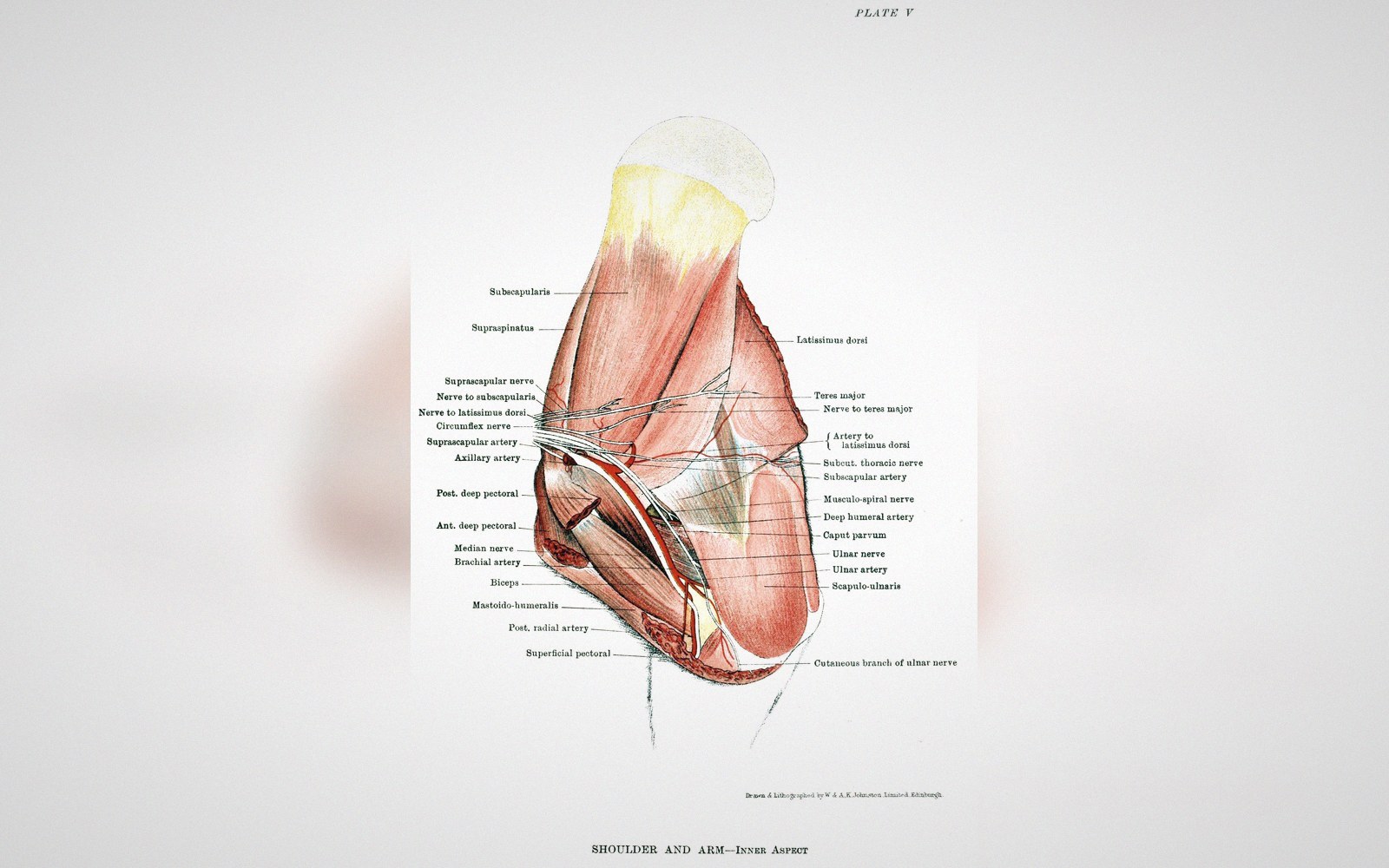
The Shoulder Problem
Stubbs dissected horses for eighteen months and the shoulder is why. The single joint that most often ruins an otherwise beautiful animal painting, what it actually does, and how to see the error.
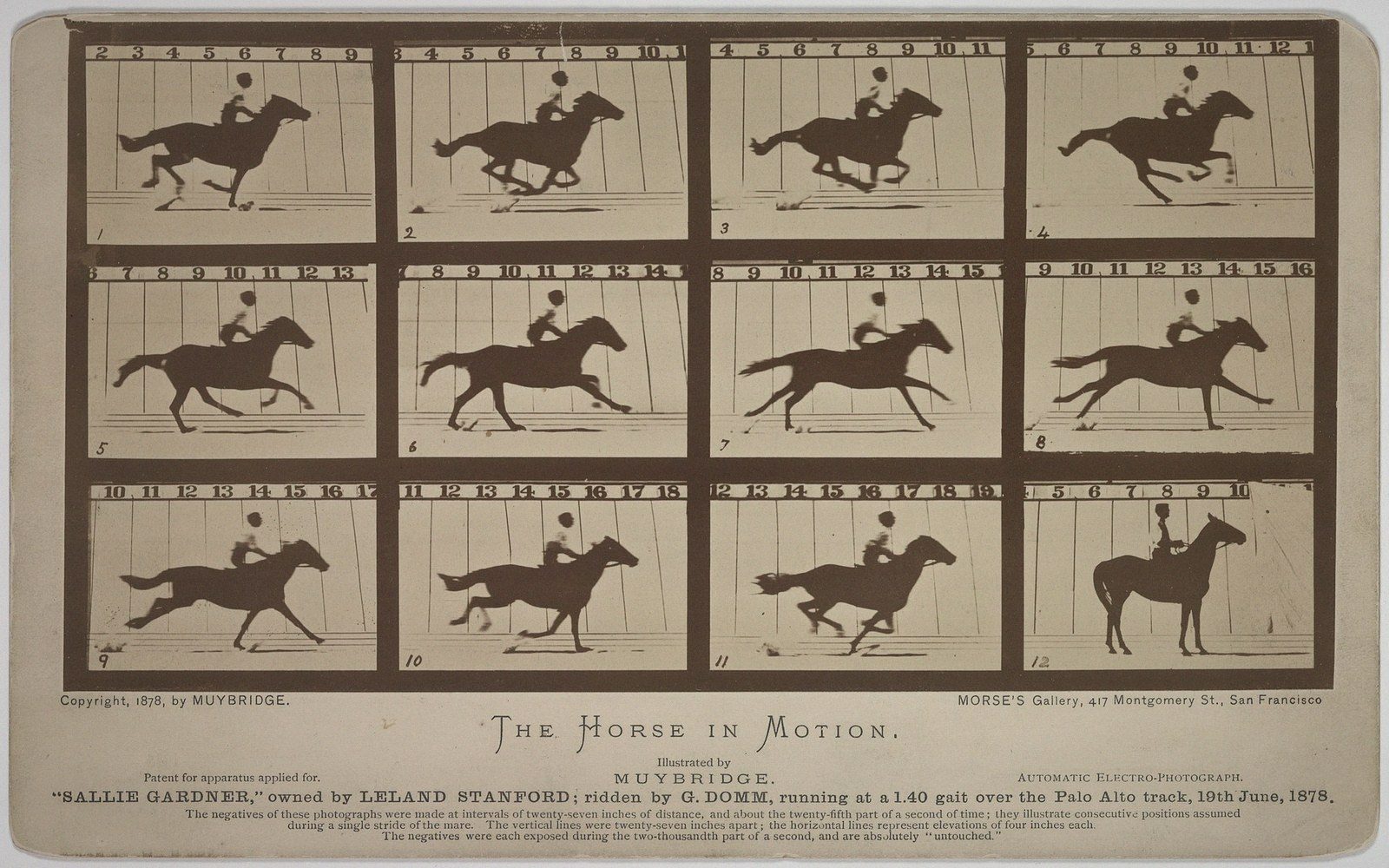
Gait, and What the Eye Cannot Catch
Which legs are actually on the ground, and when. The pre-photographic paintings that got it wrong, the reason nobody noticed, and what changed.
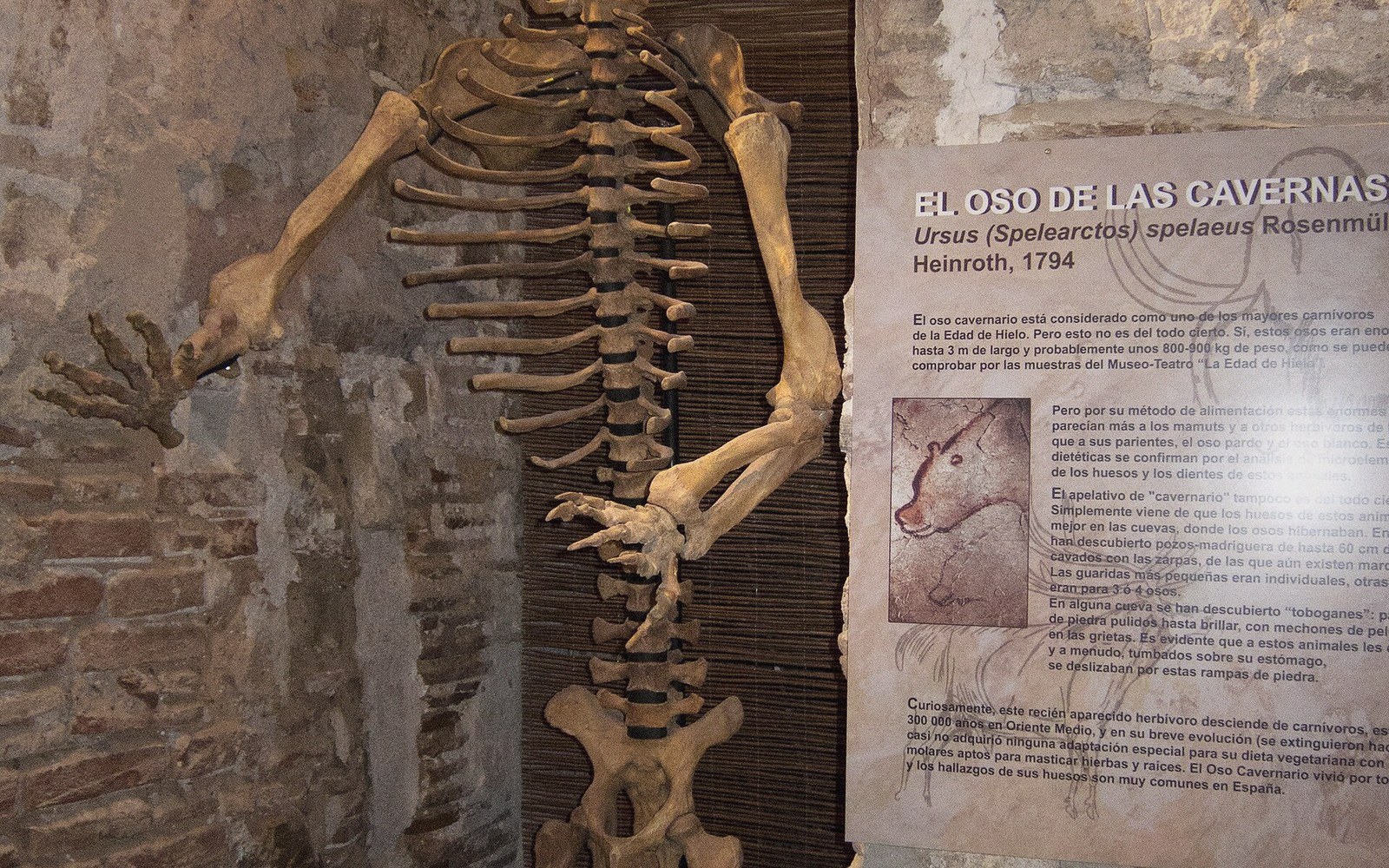
The Skeleton Under the Fur
Why artists draw the armature first. The landmarks that must be right for a coat to sit convincingly over them.
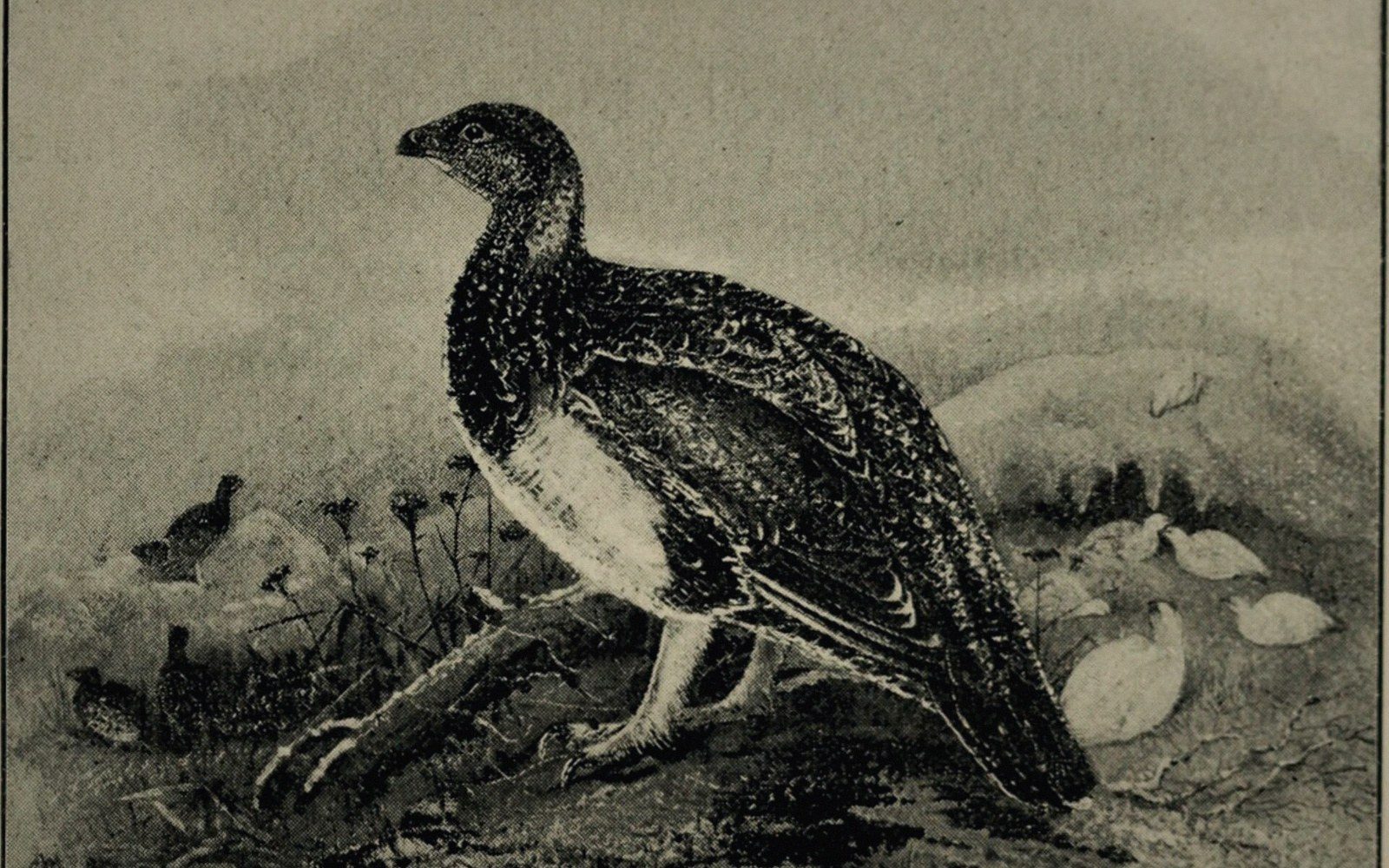
Plumage and Pelage
Feather tracts are not random and fur has direction. The underlying order that separates a painted surface that reads as an animal from one that reads as texture.
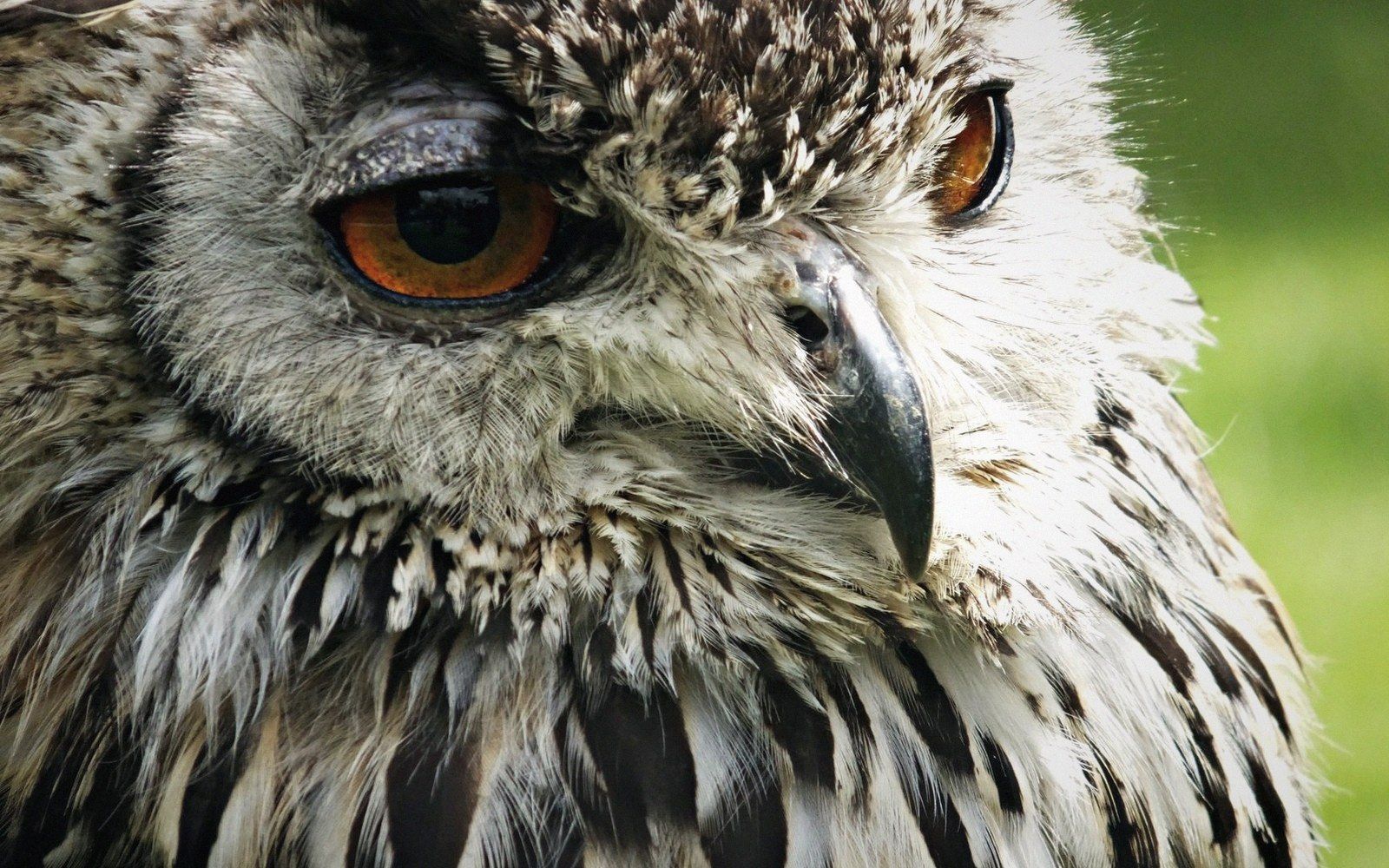
The Eye Goes Flat Within the Hour
The specific difficulty of a living eye: wet, reflective, and gone within an hour of death. How painters solve it and how you can tell who worked from life.