Why structure comes before surface
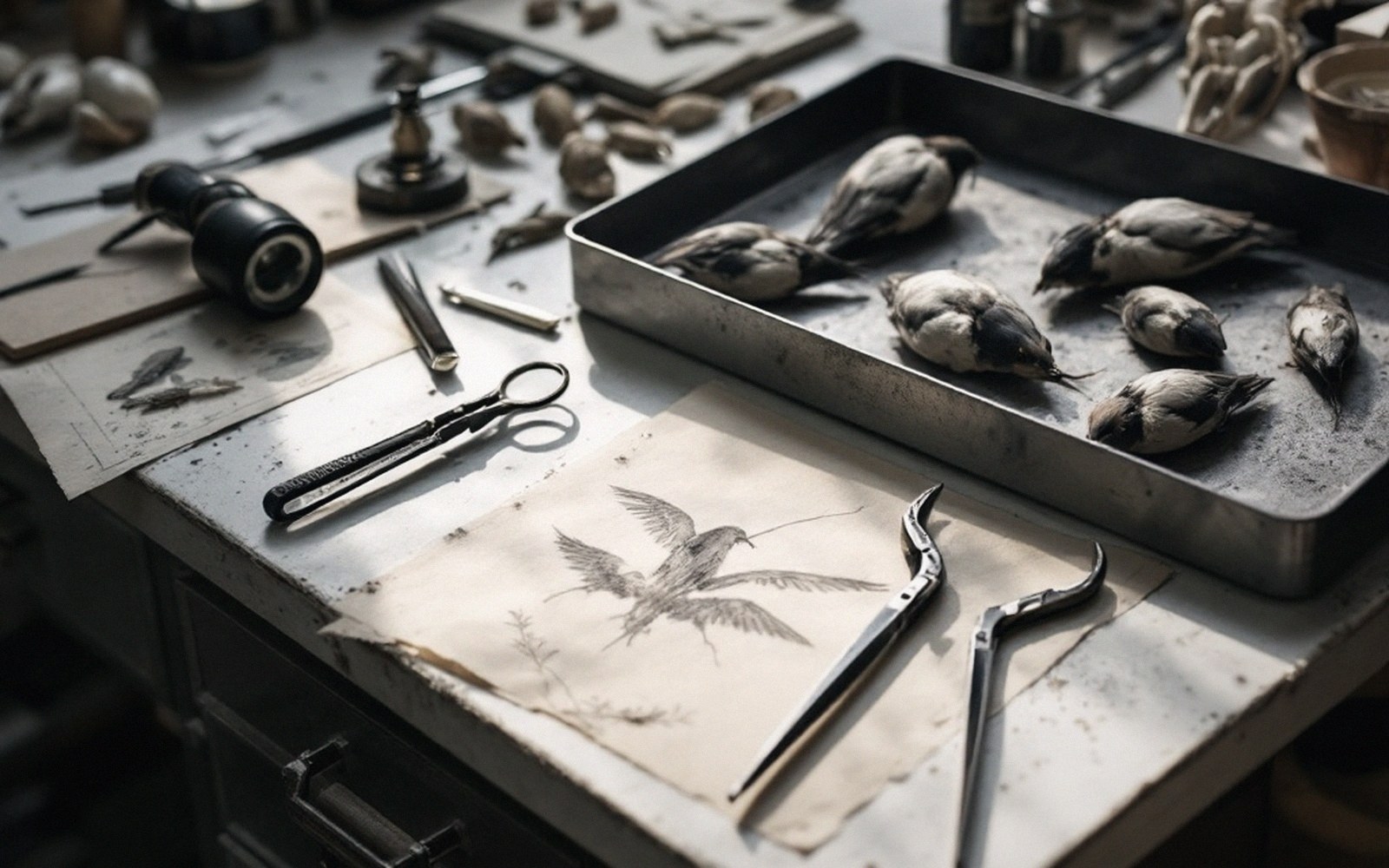
The working procedure that produces a convincing mammal begins with the armature: a ghost drawing of the skeleton beneath, placed correctly in space before a single hair is described. This is not academic ritual. It is practical, because the skeleton determines everything — the limits of posture, the sweep of the back, the precise angle at which a limb can bear weight. An artist who skips this stage is not working more freely; they are guessing, and the guess accumulates error.
The landmarks that matter most are not the ones you might expect. The spine is obvious, and artists generally feel their way along it. What trips them is the pelvis. The iliac crest — the broad, flat top of the hip girdle — controls the entire silhouette of a mammal's hindquarters. Get it wrong by ten degrees of tilt and the animal either squats unnaturally or appears to be falling forward. In a wolf, a red deer, a hunting cheetah, the pelvis is not horizontal; it pitches at an angle specific to the animal's gait and posture at that instant, and the relationship between gait and skeletal position is not something the eye resolves without study. Fur covers the pelvis entirely. The painter must know where it is anyway.
The scapula presents a related trap. In quadrupeds, the shoulder blade rides freely against the ribcage, attached to the trunk by muscle rather than a substantial collarbone, unlike the human scapula. When a big cat or a coursing dog is at full extension, the scapula rotates dramatically, raising the apparent height of the shoulder well above what a standing pose would suggest. Artists working from a single mounted specimen — or from a photograph taken at a neutral walk — will understate this rotation in any dynamic pose, producing a shoulder that looks flattened and inert. The overlying muscle and fur give no warning. Only the underlying geometry does.
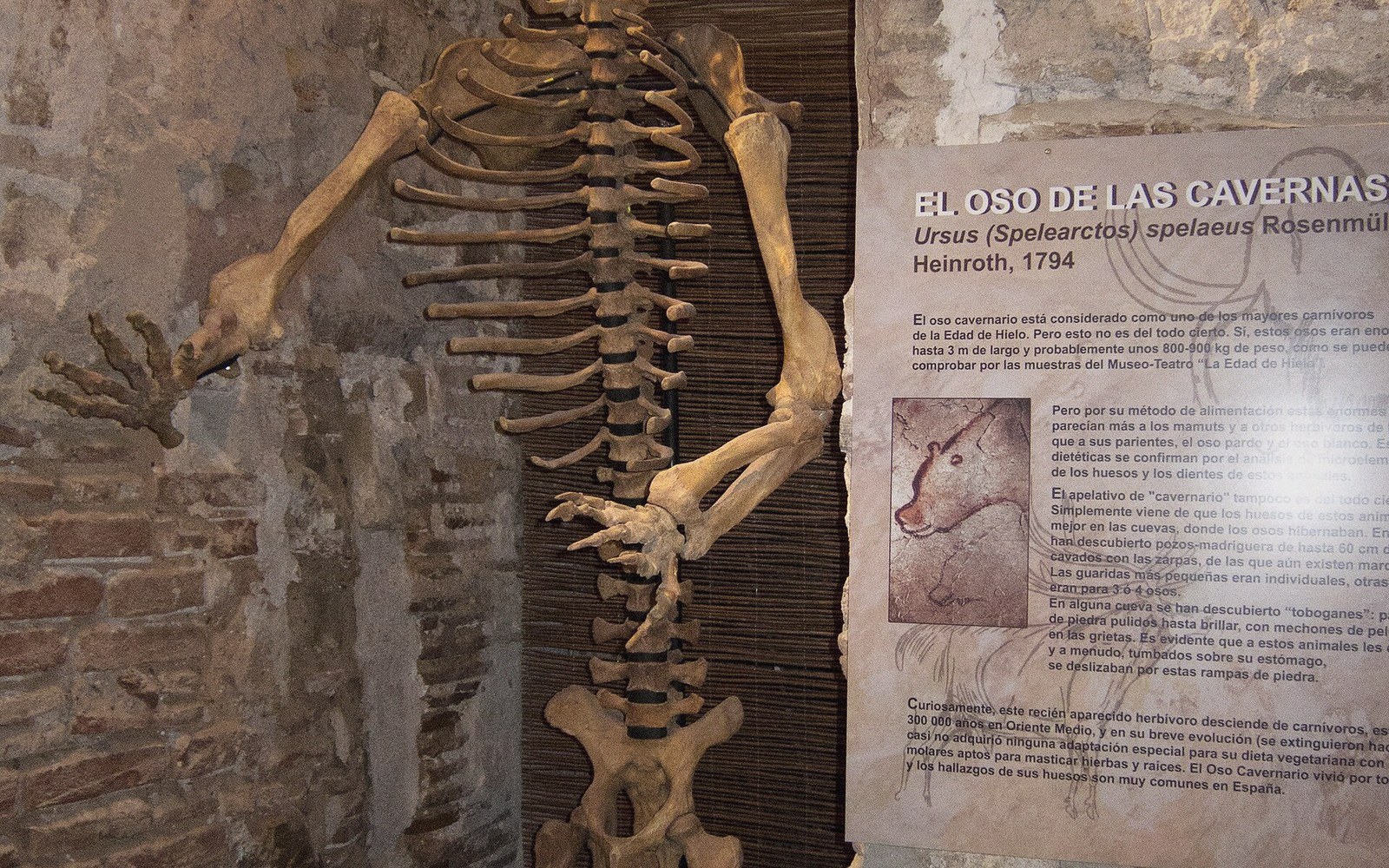
The ribcage is a third landmark worth drawing explicitly: not as decoration but because its depth and barrel-shape govern how the belly hangs between the legs and how the coat falls from the sternum. A deep, narrow ribcage with a sharply rising abdomen gives a greyhound its tucked-up appearance; a deep one gives a bear its barrel presence. These are structural facts, not textural ones, and they read through any surface.
An artist who skips this stage is not working more freely; they are guessing, and the guess accumulates error.
The landmarks, then, are the pelvis, the scapulae, the ribcage and — for the head — the zygomatic arch, the cheekbone's lateral flare that stops a face from becoming a featureless cone. Indicate each one in the underdrawing. They are the points where the surface world is anchored to the structural world beneath it.
None of this asks the artist to produce a veterinary diagram. It asks them to know what is there before they decide what to show. Fur is the translation of a skeleton into visual experience. The translation is only as good as the original.