What Death Does to the Eye
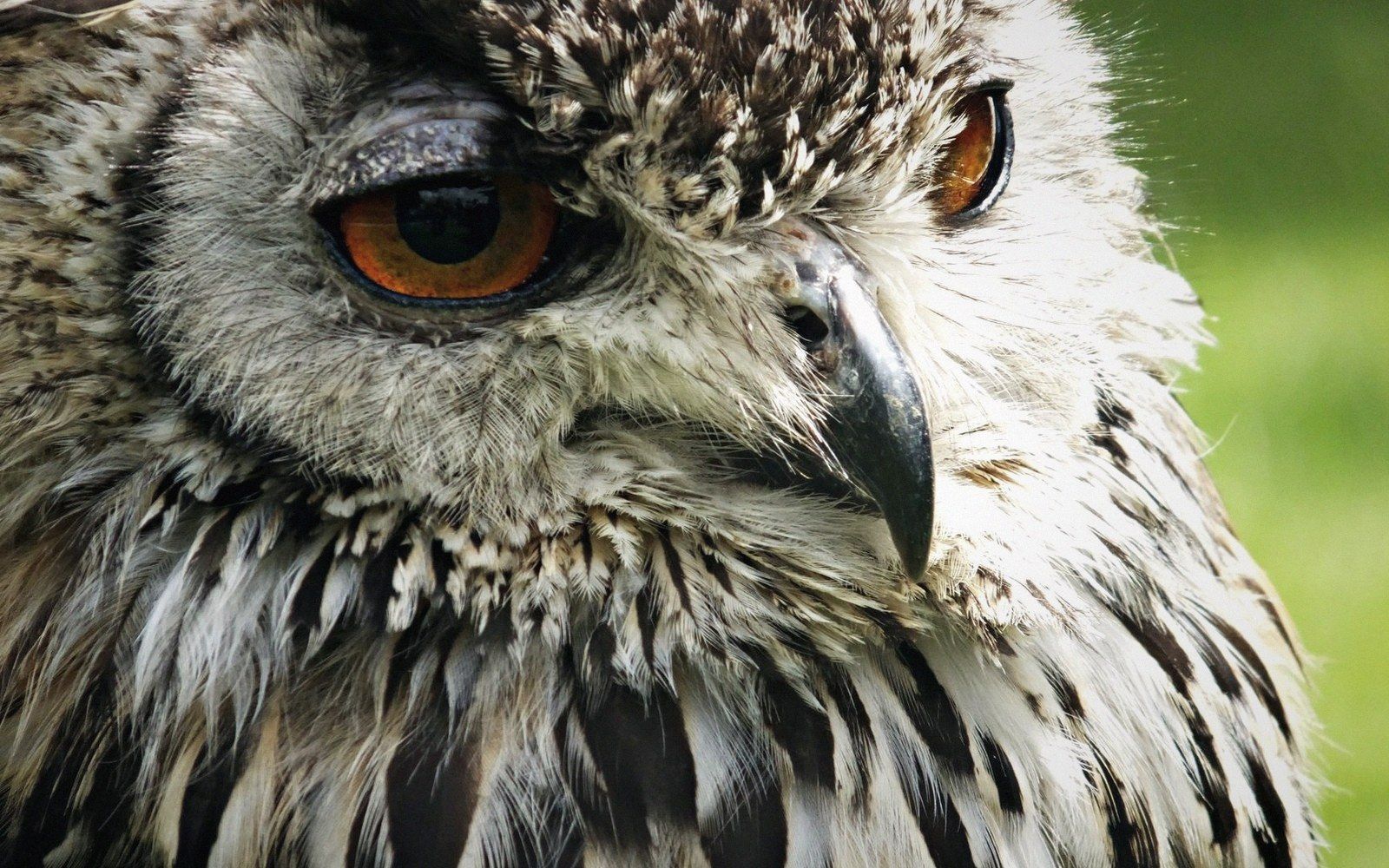
A living eye is not a solid object. It is a wet convex surface under tension, and light behaves on it accordingly — a highlight that moves as you move, a depth behind the iris that reads as volume, a meniscus where the lower lid meets the globe. Within an hour of death, sometimes less, that surface begins to deflate and cloud. The cornea loses its turgor. The highlight that once sat sharp on a curving mirror becomes a dull smear on a concave dish. No amount of careful measurement of a dead specimen — and you can measure everything else, bill length to the millimetre, tarsus, wing chord — gives you back what the living eye looked like.
This is why the eye is the most reliable single test of whether a painter has worked from life. It is a harder test than posture, harder than colour, harder even than the soft-part tones of bill and feet. An artist who painted only from skins or mounts has no model for the wet convex surface; he either guesses, or copies another painting, or produces something technically accurate in every particular except the one that makes it alive.
What the Painters Actually Did
The painters who get eyes right almost always did one of two things: they drew from living animals at close range, or they drew from a freshly killed specimen within the first twenty minutes, when the deflation is still incomplete and the surface still reads as convex. The distinction matters, because the freshly-dead eye and the living eye are not identical — the highlight is there, the volume is there, but the particular quality of alert attention is already leaving. What you see in a bird's eye as it watches you, that specific orientation of highlight to iris, is dynamic. The bird moves; the highlight moves. A freshly-dead eye gives you the geometry of the surface but not its behaviour.
The painters who understood this worked in studios with live animals — captive hawks, tethered raptors, caged birds brought in by falconers and collectors. Some kept detailed written notes about where the highlight fell in different light conditions, separate from any drawing, because they knew the eye would be gone before they could verify it. Others made fast ink notes at the moment of death, laying out position of highlight, depth of iris colour, and the particular tone of the wet rim at the lower lid — information they knew they had only minutes to capture.
What you see in a bird's eye as it watches you, that specific orientation of highlight to iris, is dynamic.
The failure mode, when an artist has not done this, is extremely consistent. The eye comes out as a dark disc with a central highlight placed by convention rather than observation: too central, too clean, too symmetrical. It sits on the surface of the face rather than in it. The lower-lid meniscus is absent. Most tellingly, the highlight has no relationship to the light source governing the rest of the painting — a bird lit from the upper left will have its highlight placed wherever the painter guessed highlights go, which is usually the upper right, because that is where highlights sit in most paintings the artist has seen.
Reading a Painting for This
Once you know to look, you read it immediately. Stand in front of any serious collection of bird or mammal painting and ask, for each work: does the highlight on that eye correspond to the light source? Does the iris have depth — does it read as a sphere under a transparent surface, or as a flat disc with a circle printed on it? Is there a wet meniscus at the lower lid? Is the white of the eye — visible in many mammals, and in some birds — actually white, or is it the warm wet cream-white of a living sclera?
Audubon's eyes are worth studying on this question. The Birds of America plates were made from freshly-killed and wired specimens, and the technique gave him good surface geometry — the eye usually reads as convex — but the highlight placement is sometimes inconsistent with the light source, because by the time the painting was far enough along to address it, the model was long past the point of reference. His mammals, where he worked faster and with fresher specimens, are often more convincing.
Bruno Liljefors, who kept live animals and watched them at close quarters for years, consistently gets the relationship between highlight and light source right, and the iris has real depth. His raptors' eyes in particular have that specific quality: the light is somewhere in there, behind the surface, not on it. That is the difference between copying a painted eye and having looked at the real thing long enough to understand what you are seeing. The geometry is learnable. The behaviour of a wet surface in changing light requires time in front of the animal, and there is no shortcut.