Where the Error Begins
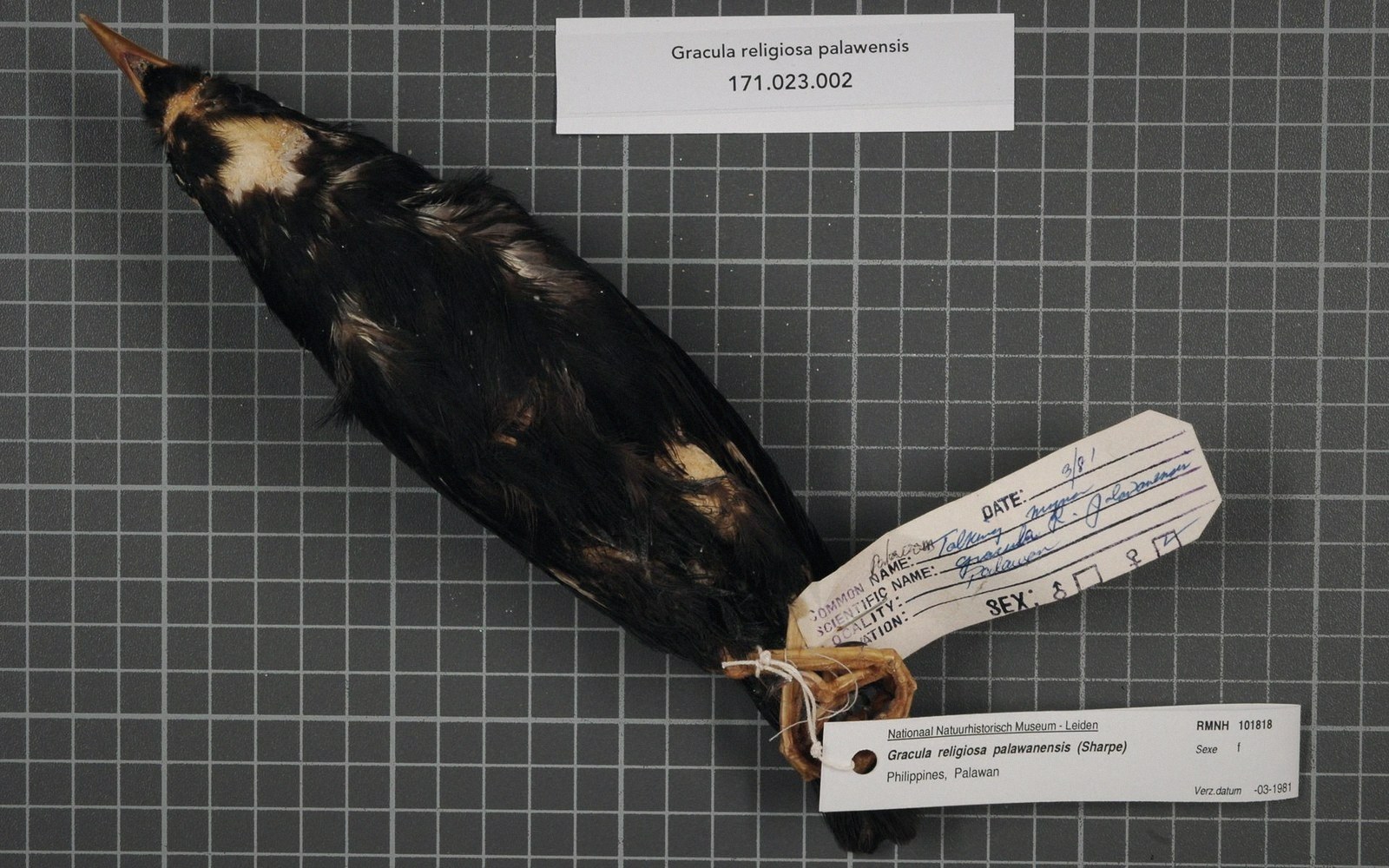
A freshly prepared study skin is, in practical terms, a tube of stuffed cotton wearing a bird's feathers. The taxidermist's primary concern is the exterior: that the plumage lies flat, that the wings are folded correctly, that the overall silhouette records the species truthfully enough for a museum tray. The neck, however, is a problem. In life it is a dynamic structure — a stack of fourteen vertebrae in most songbirds, up to twenty-five in some waterfowl — capable of folding back almost entirely against the body or extending half the bird's body length forward and down. In death, and under the preparator's fingers, it tends to get pulled straight.
The reason is partly mechanical and partly habitual. To skin a bird cleanly, the preparator works the skin forward over the skull, which requires drawing the neck out of the body cavity. When the cotton is then packed and the skin eased back into position, the neck passage is often filled while the cervical column is still held in partial extension. Set in that position and dried, the specimen records not a posture the bird ever adopted but the angle of the preparator's hand. The resulting skin has a neck that is measurably longer than it appears in life — sometimes by as much as a quarter of the living measurement — and straighter, lacking the characteristic S-curve that gives most birds their compact, alert look.
What It Does to a Painting
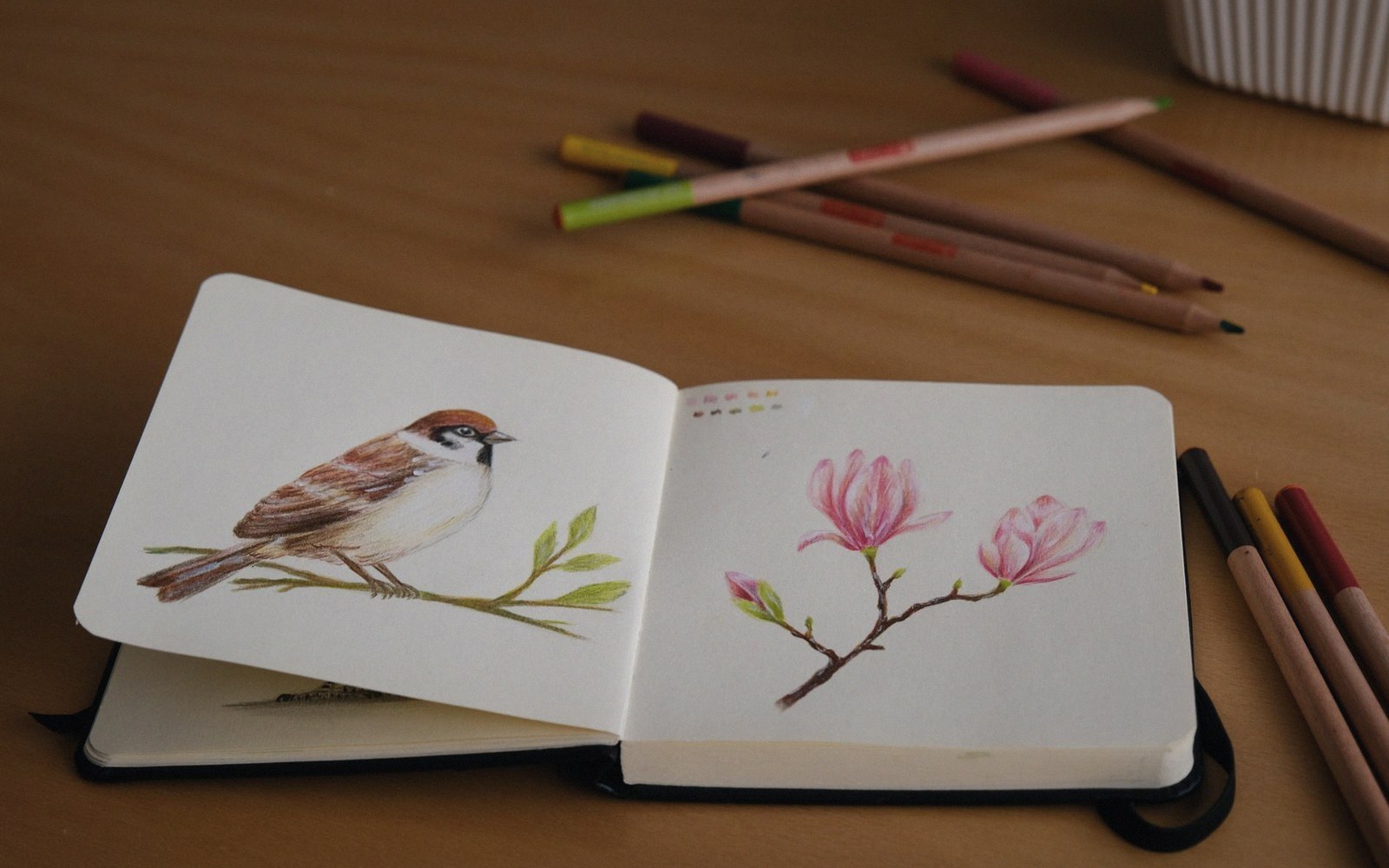
An artist working from such a skin without correction — without a parallel source in field sketches, photographs or a thorough understanding of the underlying skeleton — will faithfully transcribe that extended neck. The bird that results looks wrong in a way that can be hard to name. It is not that the proportions are grotesque; the error is usually too subtle for that. Rather, the bird looks slightly startled, or slightly wooden, as though it has been posed — because it has. The neck sits too far forward of the shoulder, emerging from the mantle at an angle that no relaxed bird maintains. The visual centre of gravity is disrupted: real birds carry most of their apparent weight between shoulder and belly; the specimen-derived painting distributes it too far toward the head.
In waterfowl the mistake is especially obvious, because ducks and geese habitually hold their necks in a pronounced curve when alert or swimming at ease. A mallard drawn from a study skin will often show a neck that is both too long and too straight, the head sitting at the end of it like something plugged in. Waders — sandpipers, plovers — are almost as reliable a test: their real necks are short, tucked, and nearly lost in scapular feathers when the bird is feeding. Painted from a prepared skin, that same neck appears, and the bird looks like a different animal.
The neck sits too far forward of the shoulder, emerging from the mantle at an angle that no relaxed bird maintains.
The stretched neck also affects the implied musculature of the breast. In life, the pectoral muscles swell forward and down from the keel, giving the bird a rounded, almost teardrop profile from the front. Where a painting has transcribed an extended neck, the breast often looks flat or concave beneath the throat — the artist has drawn the skin's silhouette without noticing that the real muscular bulk has been displaced by the preparator's arrangement of cotton.
Artists Who Caught It
The painters who corrected for cervical extension are almost always those who worked from living birds first and treated the skin as a secondary check on detail rather than a primary source of form. Bruno Liljefors is the most instructive case: his eiders and pochards carry necks that are short, flexed, and integrated into the body mass in the way living waterfowl actually appear at rest. The contrast with contemporary works made primarily from museum skins is immediate, and the neck is the quickest index of the difference.
John James Audubon wired his freshly shot specimens into specific postures specifically to avoid the drift that set in during conventional skin preparation — a different solution to the same problem, though it introduced its own distortions. The four hundred and thirty-five plates of Birds of America show birds held at dramatic angles that are posture, not behaviour; Audubon understood he was recording a moment, not a state.
The practical test when looking at any bird painting is this: find the base of the neck where it meets the mantle, and ask whether that junction looks like a joint or like a sleeve. In a painting made from close observation of living birds, it looks like a joint — hidden, compressed, structurally logical. From a skin, it looks like a sleeve: the neck simply emerges, separated from the body, going somewhere it was sent.